
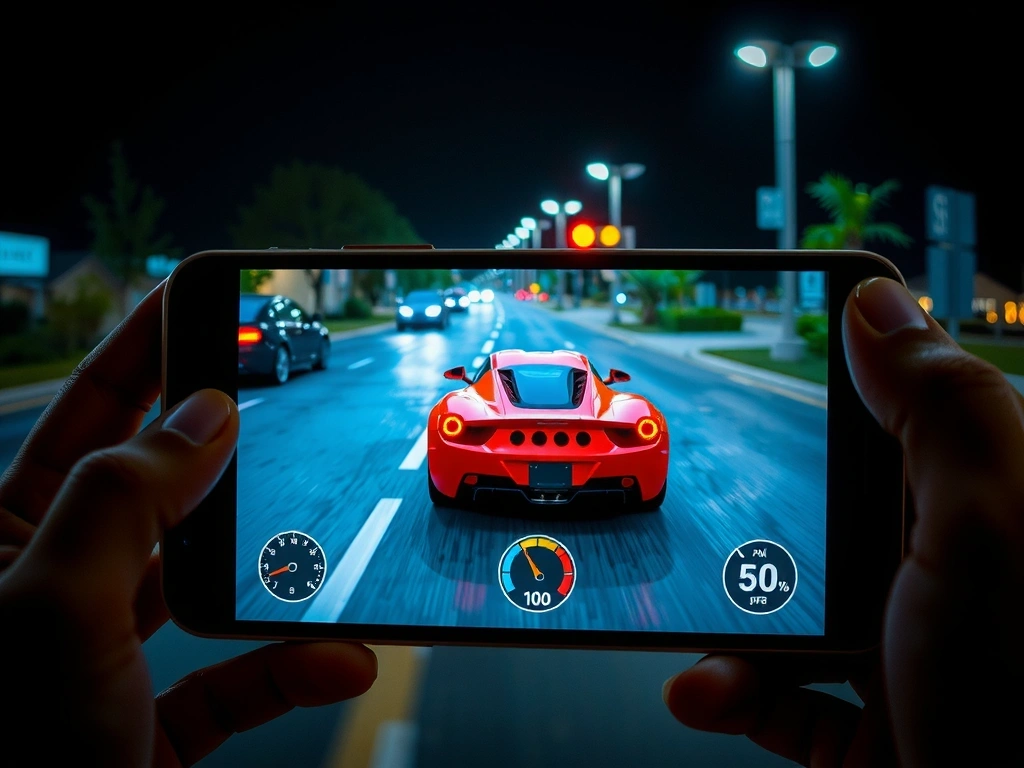
Neon Drift
AR RacingHigh-performance AR racing with custom occlusion culling for stable 60fps on mobile silicon.
View Case Study →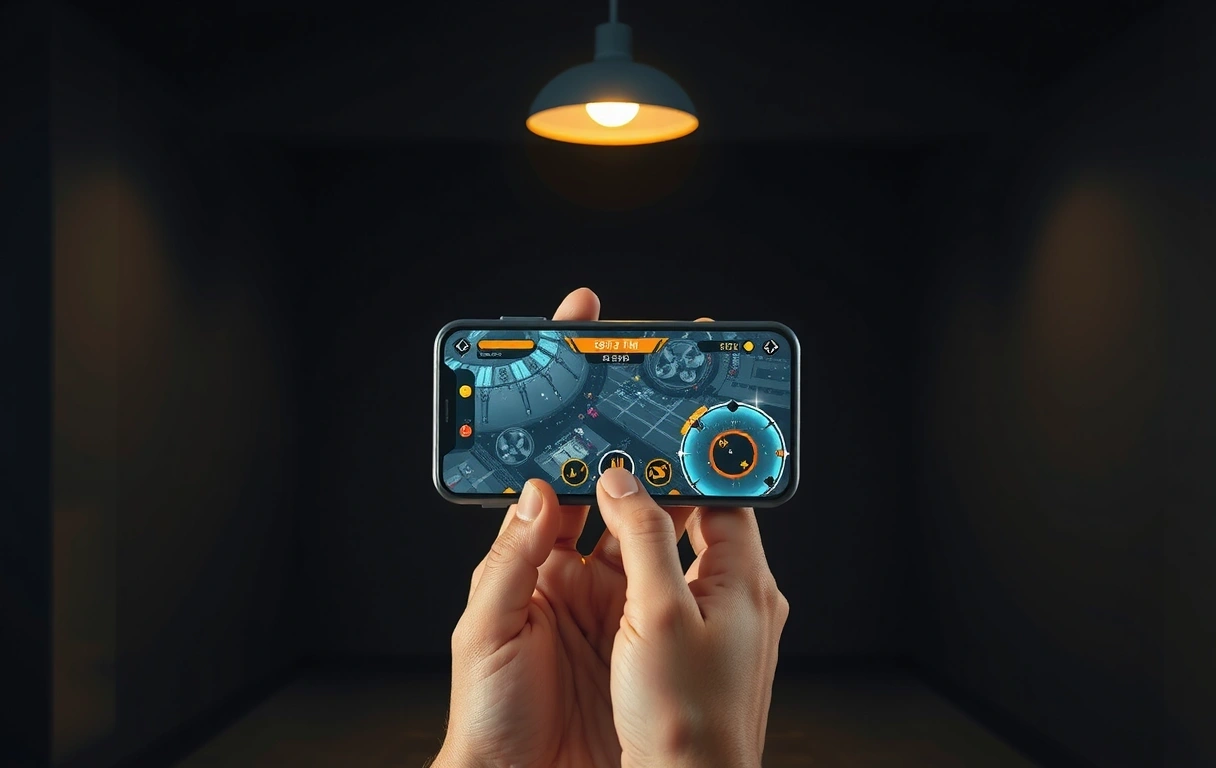
Editorial Note
Mobile gaming has evolved from a disposable distraction into a legitimate medium for interactive storytelling. The constraints—battery life, touch interfaces, variable hardware—are no longer limitations but creative boundaries that define our craft. We build for the pocket cinema, where haptic feedback becomes the new orchestral swell, and real-time synchronization must handle commuter spotty Wi-Fi without losing a frame.
Filterable Showcase
Browse our portfolio through specific lenses. Each filter reveals a different facet of our expertise, from the technical constraints of AR to the narrative depth of premium titles. Select a category below to refine the view.
By Genre
By Tech Stack
High-performance AR racing with custom occlusion culling for stable 60fps on mobile silicon.
View Case Study →
Cross-platform puzzle game built with Flutter, featuring a logic engine that adapts to player skill.
Learn the Engine →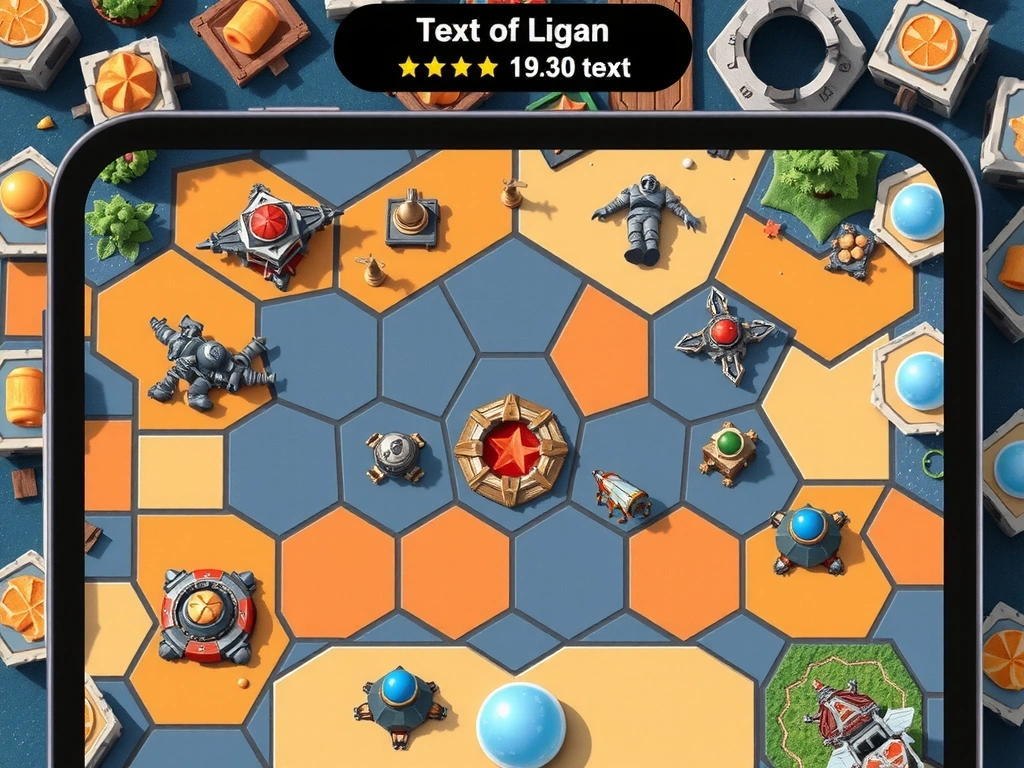
Turn-based strategy with Unreal Engine, focusing on deterministic simulation for competitive play.
See Collaboration →
Native iOS visual novel with haptic-integrated choices and a custom scripting language for writers.
Design Notes →
Resource management sim focused on optimization and architectural creativity for tablet users.
System Deep Dive →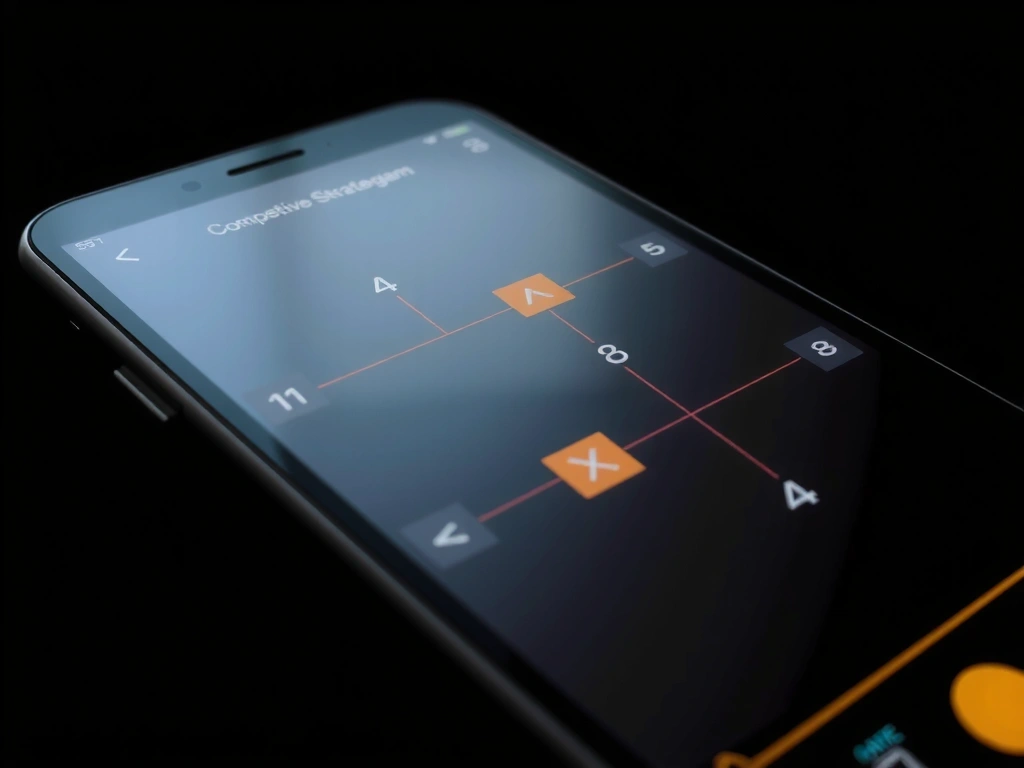
Asynchronous multiplayer strategy built for speed and clarity on any device.
Performance Case →Scenario Vignette
02:17 AM. Solo developer testing a physics-based puzzle on a mid-range Android device. The prototype was flawless on the studio's iPhone 15 Pro, but here, the object clipping is erratic and the frame rate drops below 30fps during complex interactions.
The cause? The default Unity physics engine's fixed timestep was too high for the target CPU's clock speed, and the object's mesh collider was unnecessarily complex (1,200 tris for a simple cube).
The fix wasn't a magic plugin. It was a two-hour session of simplifying the collider to a box shape and setting the physics timestep to 1/50th of a second. The build ran at 60fps. This constraint of mid-range hardware is where true performance engineering lives—not in benchmarking on flagship devices, but in respecting the median.
Glossary & Perspective
Definitions from the workshop floor. These aren't dictionary entries; they're lenses for making hard choices.
A measured ceiling for sustained performance on a device before it throttles. Our Take: We treat this as a design constraint from day one, not an optimization target. Games that respect the thermal budget feel better to play for longer sessions.
The total time from input to visual/haptic feedback. For touch controls, it's measured in milliseconds. Our Take: 16ms is good. 10ms is the target. Anything over 30ms breaks immersion in fast-paced titles. We profile every input path.
The visual quality of an asset relative to its screen space usage and frequency of appearance. Our Take: We aggressively favor fidelity on the focal point (player character, key narrative objects) and aggressively simplify everything else. Context is king.
The measure of how a game's systems hold up under stress testing and repeated play. Our Take: A game is only as good as its worst edge case. We map failure states before drawing the first UI screen.
Our work is a blend of technical precision and creative intent. Explore the methodology that powers our games, or bring your own vision to the studio.